
Collagen Cross-Linking
FDA-approved treatment to halt the progression of keratoconus and other corneal weakening disorders.
schedule appointmentTRUSTED CREDENTIALS
- Board-Certified Ophthalmologist
- FDA-Approved Procedure
- Outpatient In-Office Treatment
- Personalized Corneal Care
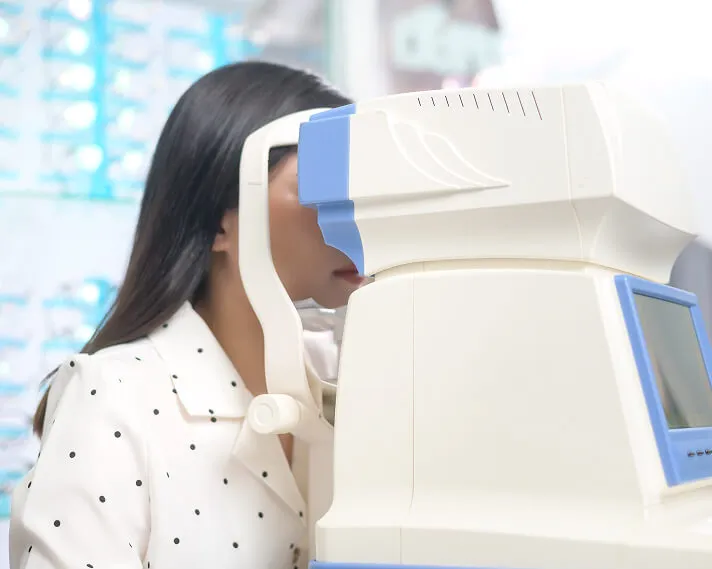
A sight-saving treatment for progressive corneal disease.
Miami Eye Institute, led by Dr. Inna Ozerov, offers FDA-approved corneal collagen cross-linking — a breakthrough procedure that strengthens the cornea and halts the progression of keratoconus and similar corneal weakening conditions.
Keratoconus causes the cornea to gradually thin and bulge into a cone shape, distorting vision and worsening over time. Cross-linking works by using riboflavin (vitamin B2) eye drops combined with controlled ultraviolet A (UVA) light to strengthen the natural collagen fibers within the cornea, making it more rigid and stable.
When performed early, cross-linking can stop keratoconus in its tracks and prevent the need for corneal transplant surgery in many patients. Miami Eye Institute proudly serves patients in Hollywood, Florida, Miami, Florida, Fort Lauderdale, Pembroke Pines, Hallandale Beach, Aventura, Davie, Miramar, Cooper City, Weston, Plantation, and surrounding South Florida communities.
- The gold standard for halting keratoconus progression.
- FDA-Approved
- Typical in-office procedure time.
- ~60–90 min
- Of treated eyes remain stable long term.
- 95%+
- Performed in-office under topical anesthesia.
- Outpatient
OUR APPROACH
How collagen cross-linking works.
Our process is designed to identify the right candidates, perform cross-linking safely, and protect long-term corneal health through careful follow-up.
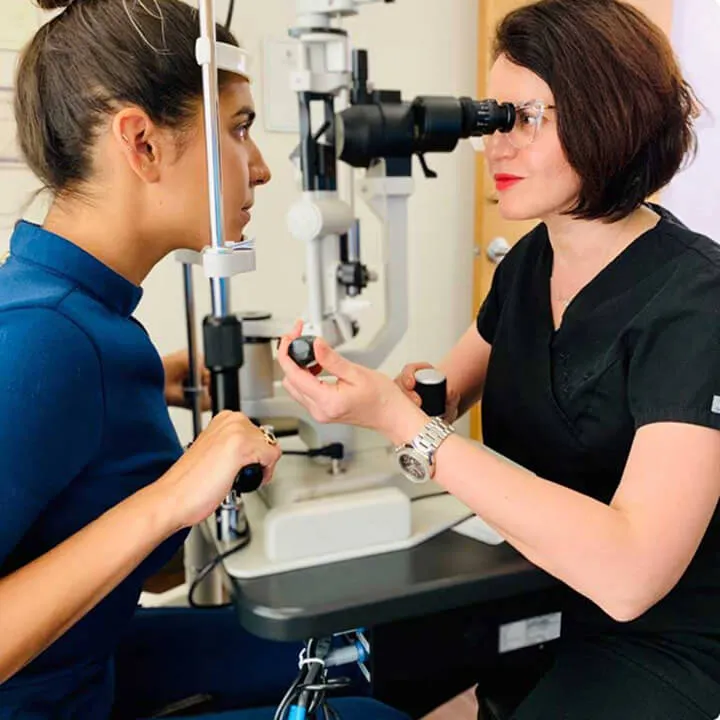
Comprehensive Corneal Evaluation
We perform corneal topography, pachymetry, and a complete eye exam to confirm progressive keratoconus or another suitable indication and to plan the procedure precisely.
In-Office Cross-Linking Procedure
Under topical anesthesia, riboflavin drops are applied to the cornea, followed by controlled UVA light exposure. The combination strengthens collagen fibers and stabilizes the cornea.
Post-Procedure Care
A protective bandage contact lens is placed and prescription drops are used during the early healing period. Most patients return to normal activities within a few days.
Long-Term Monitoring
We follow up with repeat topography and exams to confirm corneal stability and continue protecting your vision for years to come.
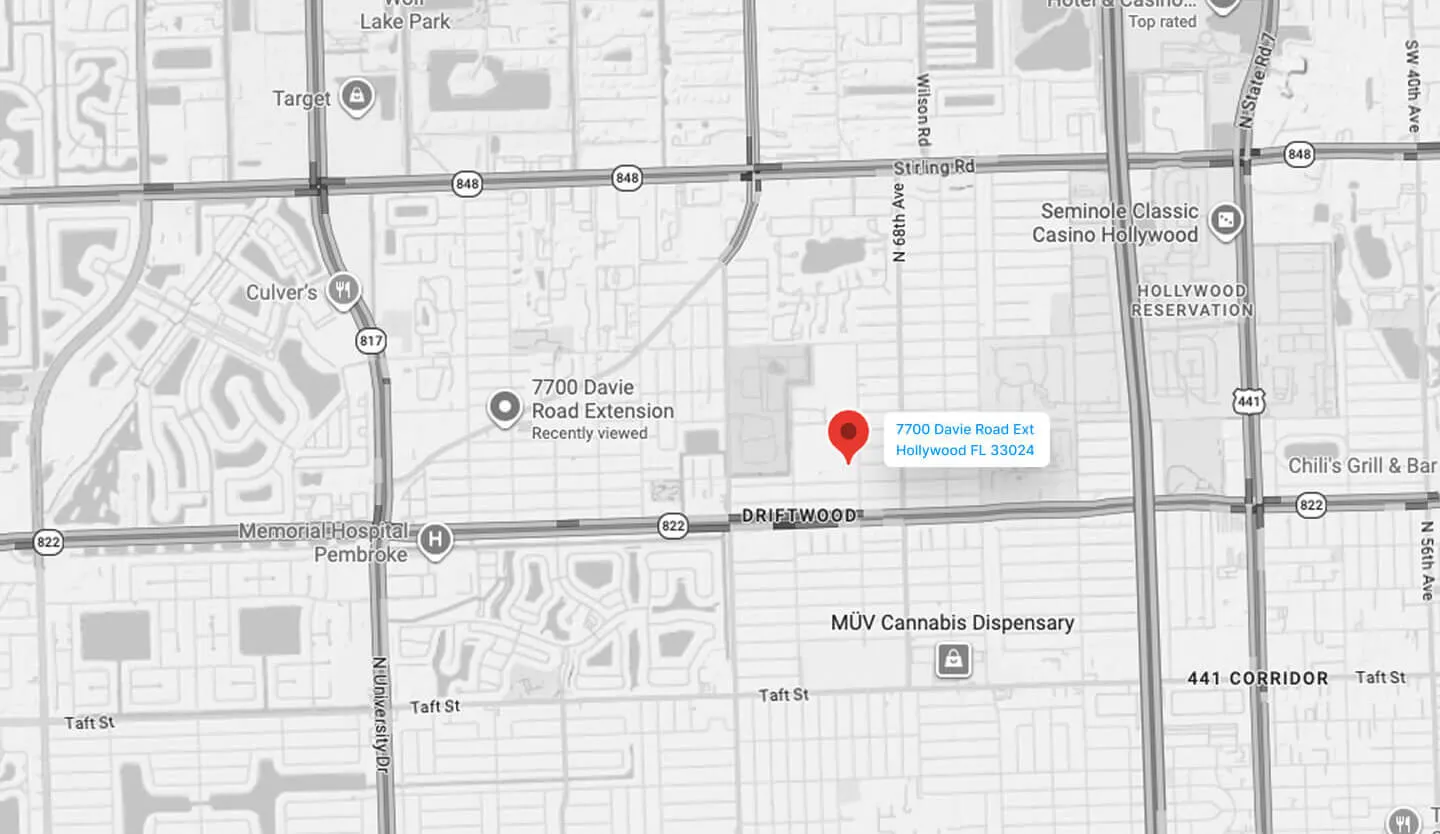
Schedule a Consultation with Dr. Inna Ozerov
Dr. Inna Ozerov is a board-certified ophthalmologist serving patients across Hollywood, Florida, Miami, Florida, and surrounding communities including Fort Lauderdale, Pembroke Pines, Hallandale Beach, Aventura, Davie, and Miramar. She specializes in collagen cross-linking, keratoconus management, and the broader medical and surgical care of corneal ectatic disease, providing personalized, evidence-based care for every patient.
Contact Inna OzerovSCHEDULE YOUR VISIT
Find out if cross-linking can halt your keratoconus.
If you have keratoconus and your prescription keeps changing, cross-linking may stop your cornea from weakening further. A detailed corneal evaluation tells us whether your eyes are good candidates and when to treat.
- Comprehensive corneal evaluation with Dr. Ozerov
- A clear explanation of whether cross-linking is right for you
- A personalized treatment plan tailored to your corneas
Schedule a Consultation
For more information or to schedule an appointment, fill out this form.
FREQUENTLY ASKED QUESTIONS
Common questions about collagen cross-linking.
Cross-linking is FDA-approved and performed in our office. These answers cover how it works, what recovery is like, and what results to expect.
What is collagen cross-linking?
Who is a candidate?
Does cross-linking improve vision?
Is the procedure painful?
How long does recovery take?
How effective is cross-linking?
Is cross-linking covered by insurance?
Still have questions?
Dr. Inna Ozerov will personally evaluate your eyes and help you understand the best path forward for collagen cross-linking and progressive keratoconus. Serving patients throughout Hollywood, Florida, Miami, Florida, and surrounding South Florida communities.