
Pterygium & Pinguecula Care
Expert diagnosis and treatment for sun- and irritation-related growths on the surface of the eye.
schedule appointmentTRUSTED CREDENTIALS
- Board-Certified Ophthalmologist
- Specialty Surface Imaging
- Medical & Surgical Options
- Cosmetic & Functional Care
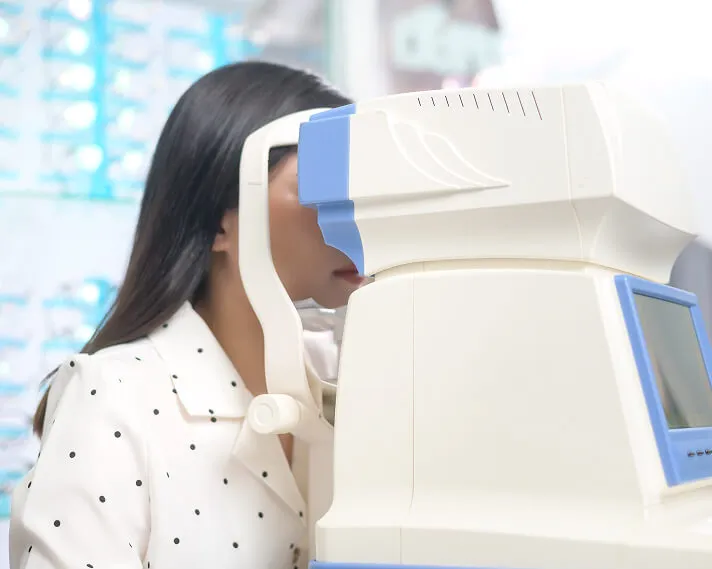
A clear approach to surface growths on the eye.
Miami Eye Institute, led by Dr. Inna Ozerov, specializes in the evaluation and treatment of pterygium and pinguecula — two common growths on the surface of the eye driven by sun exposure, wind, dust, and chronic irritation.
A pinguecula is a small, yellowish raised area on the white of the eye that typically does not affect vision. A pterygium (sometimes called “surfer’s eye”) is a wedge-shaped growth that can extend onto the cornea, causing redness, irritation, dryness, and — when large enough — blurred or distorted vision.
Living in sunny South Florida means our patients face higher risk for both conditions. Our team provides everything from medical management for mild cases to advanced surgical removal with conjunctival autografting for cases that require it. Miami Eye Institute proudly serves patients in Hollywood, Florida, Miami, Florida, Fort Lauderdale, Pembroke Pines, Hallandale Beach, Aventura, Davie, Miramar, Cooper City, Weston, Plantation, and surrounding South Florida communities.
- Lifetime prevalence of pterygium in sunny regions.
- 12%
- The common nickname linked to UV exposure.
- Surfer’s Eye
- Main conditions: pinguecula (white-of-eye) and pterygium (extends onto cornea).
- 2
- Modern pterygium removal is a same-day procedure.
- Outpatient
OUR APPROACH
How we evaluate and treat these growths.
Not every pterygium or pinguecula requires surgery. Our process focuses on identifying which growths can be managed medically and which truly need surgical removal.
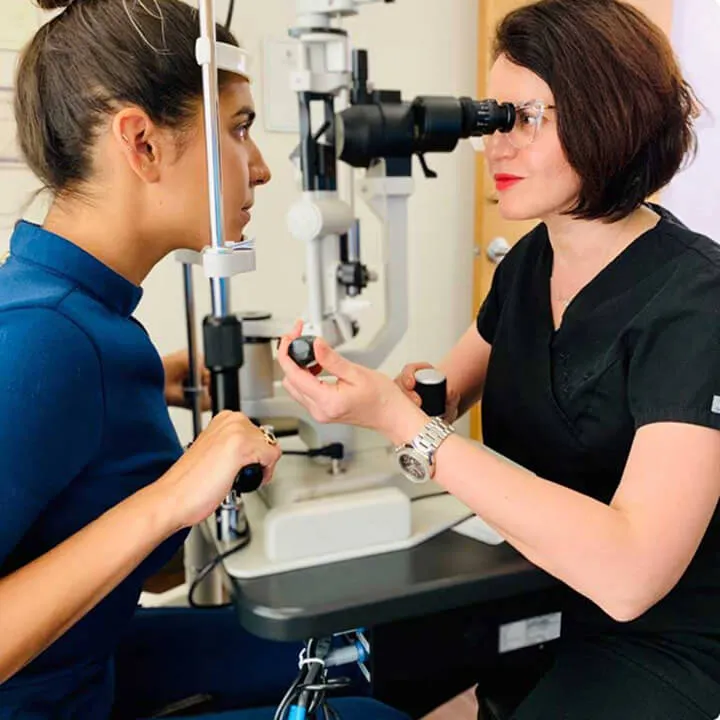
Detailed Eye Surface Exam
Using slit-lamp microscopy, we assess the size, location, and impact of the growth on your tear film, cornea, and vision.
Symptom & Vision Review
We evaluate whether the growth is causing chronic irritation, redness, dryness, induced astigmatism, or cosmetic concerns.
Personalized Treatment Plan
Mild cases respond to lubricating drops, anti-inflammatory medications, and sun protection. Larger or vision-affecting growths may benefit from surgical removal with conjunctival autografting.
Prevention & Follow-Up
We emphasize UV protection and proper eye lubrication to reduce the risk of regrowth and keep your eye surface healthy long term.
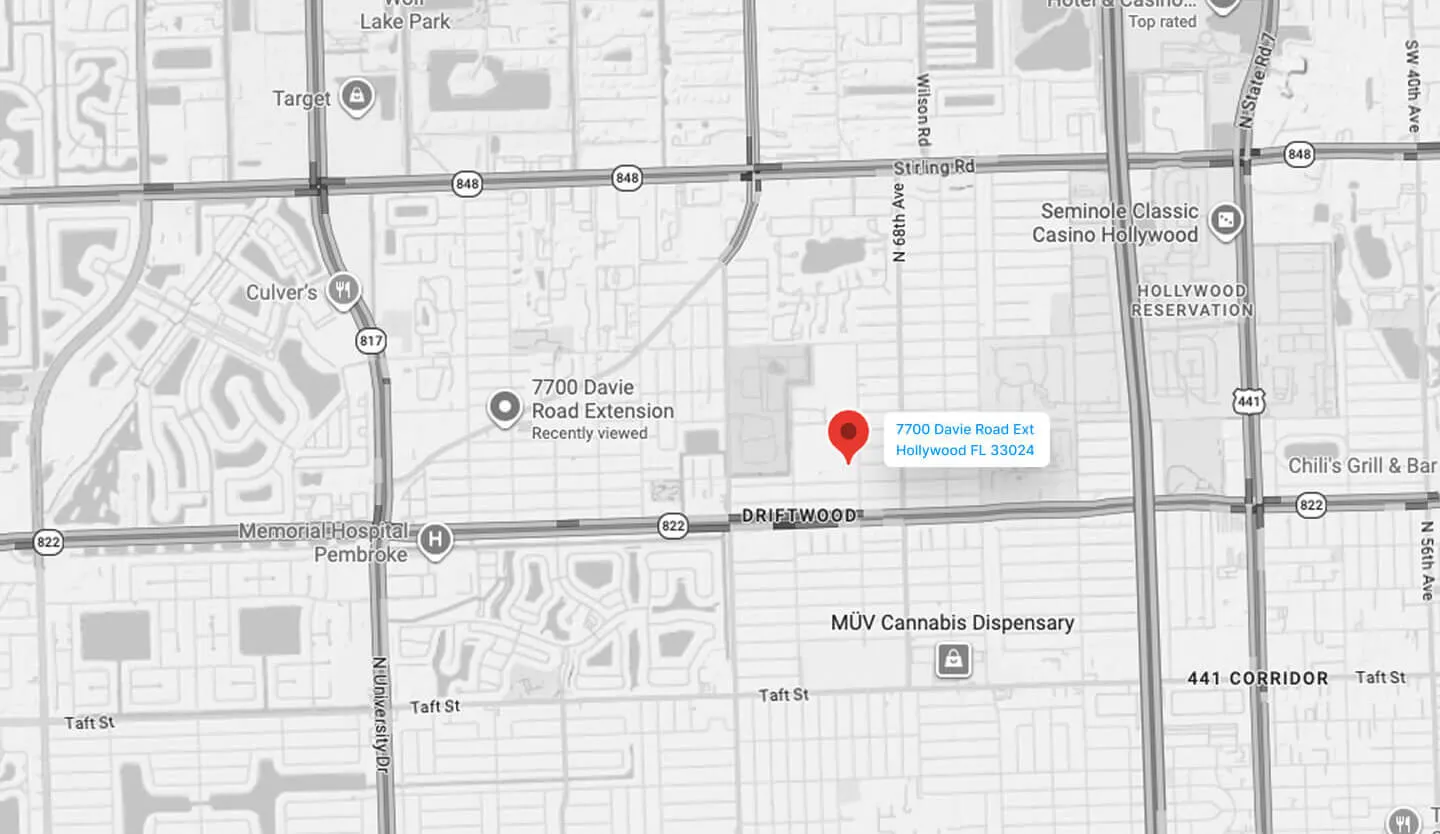
Schedule a Consultation with Dr. Inna Ozerov
Dr. Inna Ozerov is a board-certified ophthalmologist serving patients across Hollywood, Florida, Miami, Florida, and surrounding communities including Fort Lauderdale, Pembroke Pines, Hallandale Beach, Aventura, Davie, and Miramar. She specializes in pterygium, pinguecula, ocular surface disease, and the surgical removal of conjunctival growths, providing personalized, evidence-based care for every patient.
Contact Inna OzerovSCHEDULE YOUR VISIT
Don’t ignore growths on your eye.
If you notice a raised, yellowish bump or a fleshy growth on the white of your eye, especially if you spend a lot of time in the sun, have it examined. Dr. Ozerov will tell you whether it is a pinguecula or a pterygium and what, if anything, needs to be done.
- Comprehensive ocular surface evaluation with Dr. Ozerov
- A clear diagnosis — pinguecula or pterygium
- A personalized plan, medical or surgical, tailored to your eyes
Schedule a Consultation
For more information or to schedule an appointment, fill out this form.
FREQUENTLY ASKED QUESTIONS
Common questions about pterygium and pinguecula.
These growths are common in sunny places like South Florida. Here are answers to the questions patients ask most about them.
What is a pinguecula?
What is a pterygium?
What causes these growths?
Are they dangerous?
How are they treated without surgery?
When is surgery needed?
Can they come back after surgery?
Still have questions?
Dr. Inna Ozerov will personally evaluate your eyes and help you understand the best path forward for pterygium, pinguecula, and other ocular surface growths. Serving patients throughout Hollywood, Florida, Miami, Florida, and surrounding South Florida communities.