
Fuchs’ Corneal Dystrophy Care
Specialized diagnosis, monitoring, and surgical care for cloudy, swollen corneas caused by Fuchs’ dystrophy.
schedule appointmentTRUSTED CREDENTIALS
- Board-Certified Ophthalmologist
- Advanced Corneal Imaging
- DSEK & DMEK Referrals
- Personalized Long-Term Care
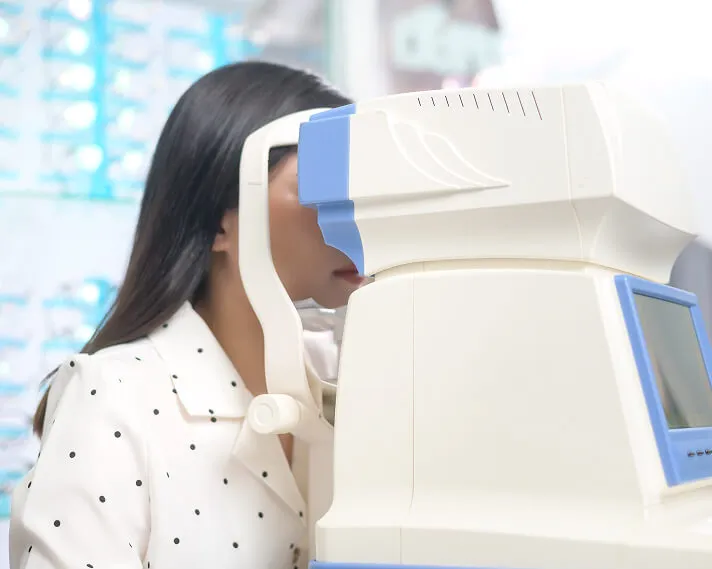
A specialized approach to a complex corneal disease.
Miami Eye Institute, under the care of Dr. Inna Ozerov, provides expert diagnosis and management of Fuchs’ corneal dystrophy — a slowly progressive disease that causes the cornea to swell, cloud, and lose clarity over time.
Fuchs’ dystrophy affects the innermost layer of the cornea, called the endothelium. These cells normally pump fluid out of the cornea to keep it crystal clear. When they gradually die off, fluid builds up and vision becomes blurry, especially in the morning. Glare, halos, and eye discomfort often follow.
Our team uses advanced corneal imaging to detect Fuchs’ dystrophy at any stage, monitor its progression, and coordinate modern partial-thickness corneal transplant procedures such as DSEK and DMEK when surgery becomes necessary. Miami Eye Institute proudly serves patients in Hollywood, Florida, Miami, Florida, Fort Lauderdale, Pembroke Pines, Hallandale Beach, Aventura, Davie, Miramar, Cooper City, Weston, Plantation, and surrounding South Florida communities.
- Of Americans over 40 show signs of Fuchs’ dystrophy.
- 4%+
- More common in women than in men.
- 3:1
- The condition often runs in families.
- Genetic
- Success rate for modern DMEK corneal transplant surgery.
- 95%+
OUR APPROACH
How we diagnose and manage Fuchs’ dystrophy.
Fuchs’ dystrophy is a lifelong condition that requires careful monitoring and the right treatment at the right time. Our process is built around early detection and personalized planning.
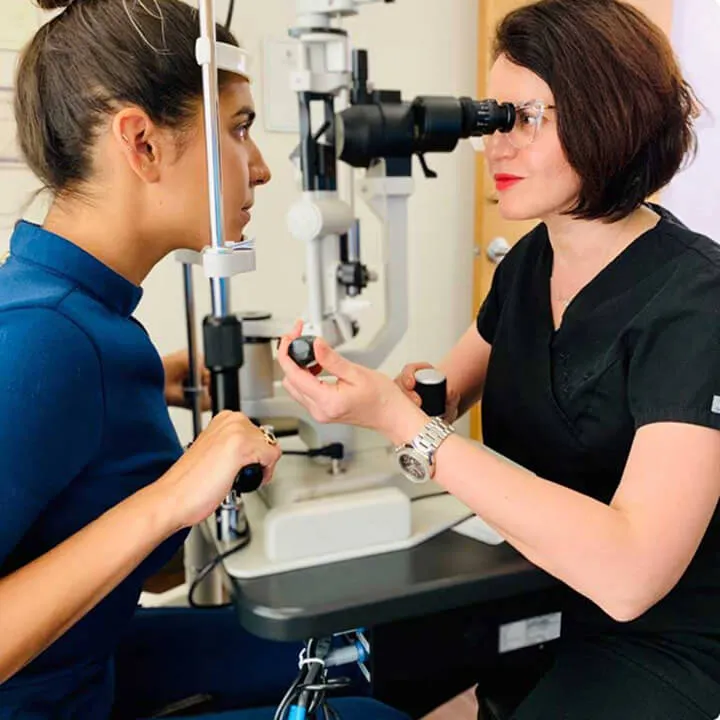
Detailed Corneal Exam
Using slit-lamp microscopy, we look for guttata — small bumps on the back of the cornea that are the hallmark of Fuchs’ dystrophy.
Advanced Corneal Imaging
Specular microscopy and pachymetry measure your endothelial cell count and corneal thickness — the two key indicators of disease progression.
Personalized Treatment Plan
Early stages are managed with hypertonic saline drops or ointments to draw fluid out of the cornea. More advanced cases may benefit from modern partial corneal transplants (DSEK or DMEK).
Long-Term Monitoring
Because Fuchs’ dystrophy is progressive, we follow up regularly with imaging to track changes and intervene at the optimal time.
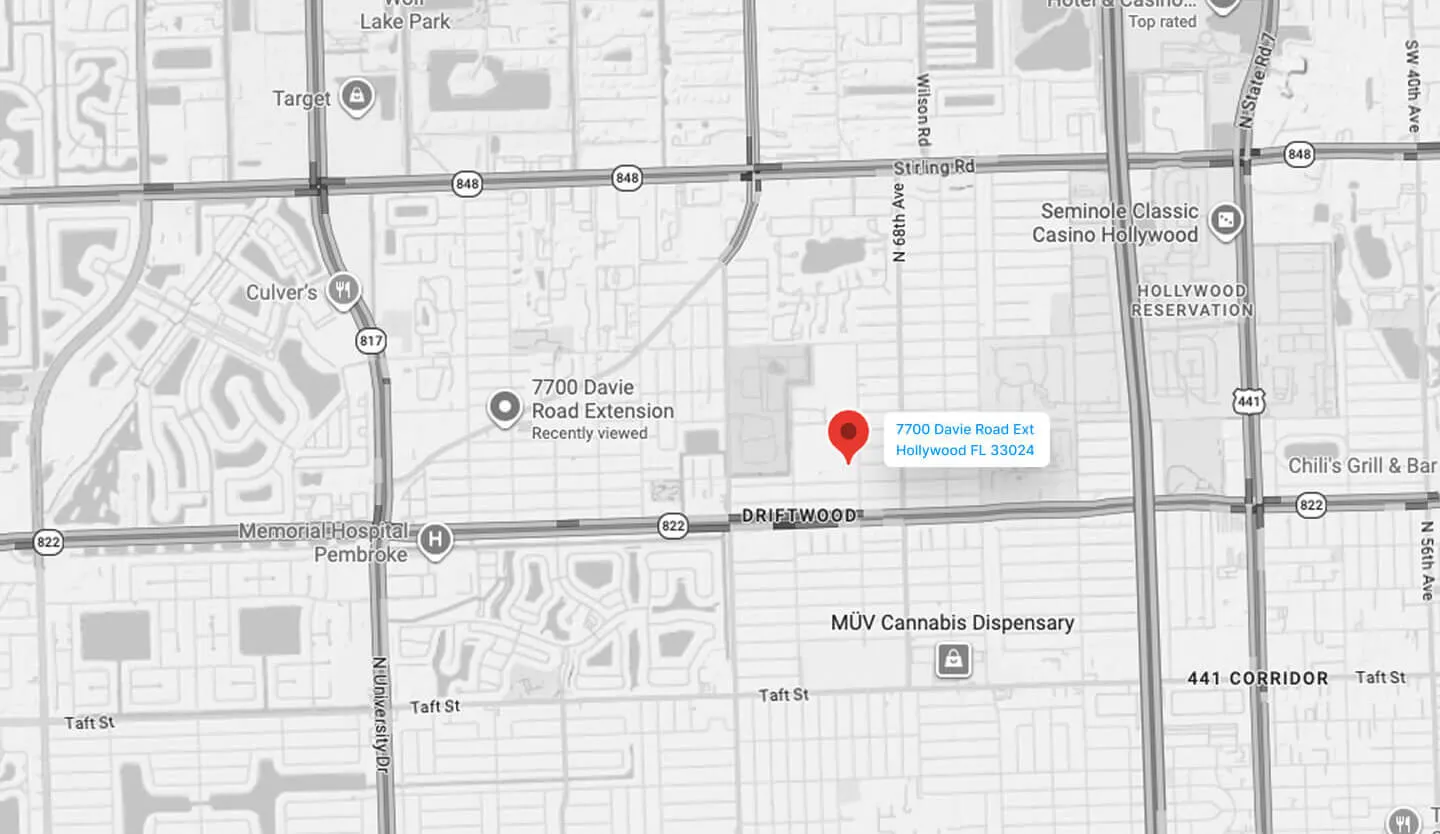
Schedule a Consultation with Dr. Inna Ozerov
Dr. Inna Ozerov is a board-certified ophthalmologist serving patients across Hollywood, Florida, Miami, Florida, and surrounding communities including Fort Lauderdale, Pembroke Pines, Hallandale Beach, Aventura, Davie, and Miramar. She specializes in Fuchs’ corneal dystrophy, corneal endothelial disease, and the medical and surgical management of corneal disorders, providing personalized, evidence-based care for every patient.
Contact Inna OzerovSCHEDULE YOUR VISIT
Find out how far your Fuchs’ dystrophy has progressed.
If your vision is blurry in the morning and clears as the day goes on, or you notice glare and halos around lights, ask about a corneal evaluation. Advanced imaging shows the stage of the disease and guides when treatment is needed.
- Advanced corneal imaging with Dr. Ozerov
- A clear understanding of your disease stage
- A personalized monitoring and treatment plan
Schedule a Consultation
For more information or to schedule an appointment, fill out this form.
FREQUENTLY ASKED QUESTIONS
Common questions about Fuchs’ corneal dystrophy.
Fuchs’ dystrophy progresses slowly, and patients often have questions for years before they need surgery. Here are the answers we give most often.
What is Fuchs’ corneal dystrophy?
What causes Fuchs’ dystrophy?
What are the symptoms?
How is Fuchs’ dystrophy diagnosed?
Can Fuchs’ dystrophy be treated without surgery?
When is surgery needed?
Will I need cataract surgery too?
Still have questions?
Dr. Inna Ozerov will personally evaluate your eyes and help you understand the best path forward for Fuchs’ corneal dystrophy and overall corneal health. Serving patients throughout Hollywood, Florida, Miami, Florida, and surrounding South Florida communities.