
Astigmatism Correction
Precise correction for blurred and distorted vision — from prescription lenses to advanced LASIK, PRK, and cataract surgery.
schedule appointmentTRUSTED CREDENTIALS
- Board-Certified Ophthalmologist
- LASIK & PRK Specialists
- Advanced Lens Technology
- Cataract Surgery Options
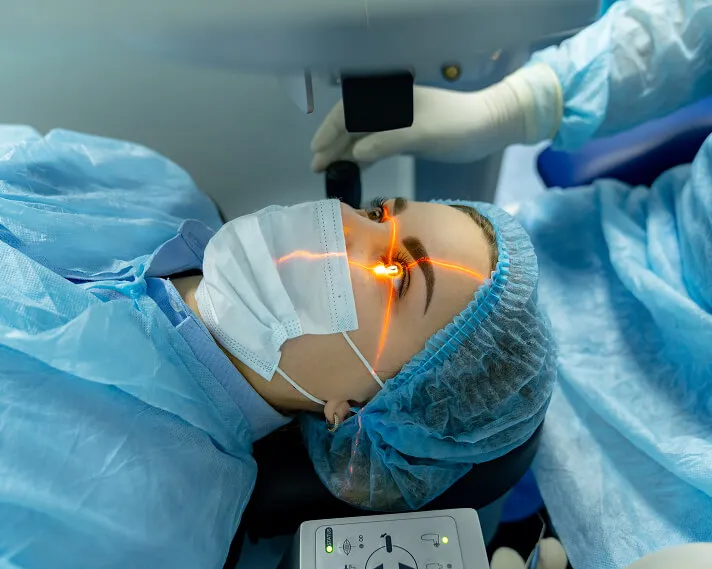
A clear-eyed approach to correcting your vision.
Astigmatism is an irregularity in the curvature of the cornea — the clear, round dome covering the eye’s iris and pupil — or in the shape of the eye’s lens.
Normally, the cornea and lens are smooth and curved equally in all directions, focusing light rays sharply onto the retina. When either surface is unevenly curved, light rays are refracted improperly, resulting in blurred or distorted vision at any distance.
Miami Eye Institute offers a full range of correction options — from prescription glasses and contact lenses to surgical solutions including LASIK, PRK, and cataract surgery with premium lens implants.
- Americans has some degree of astigmatism.
- 1 in 3
- Of astigmatism cases are correctable with LASIK or PRK.
- 90%+
- Vision achieved in the majority of refractive surgery patients.
- 20/20
- Typical LASIK procedure — results felt within 24 hours.
- <30 min
OUR APPROACH
How we evaluate and correct your astigmatism.
Every astigmatism case is unique. Our process begins with a thorough refractive evaluation and corneal mapping to determine the best correction path — whether that’s lenses, laser surgery, or implant-based treatment.
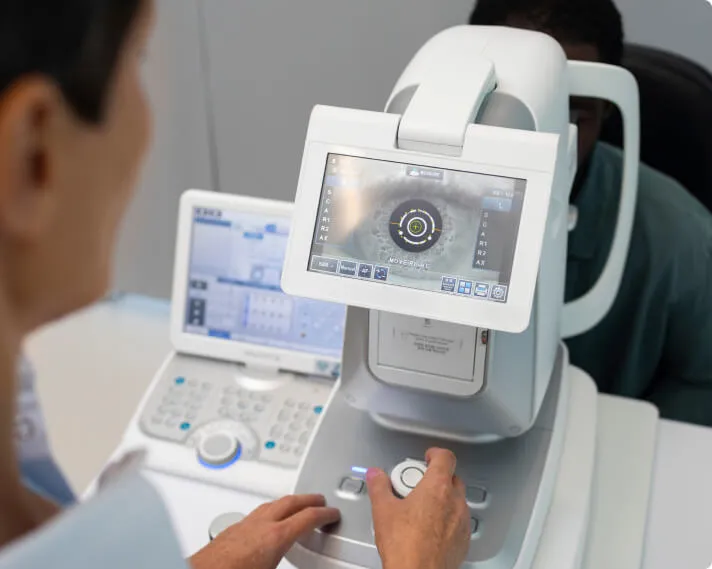
Comprehensive Refraction Test
We measure how your eye bends light to determine the exact degree and axis of your astigmatism, establishing your corrective prescription.
Corneal Topography Mapping
Advanced surface mapping of the cornea reveals irregularities in curvature, helping us determine whether LASIK, PRK, or lens-based correction is most appropriate.
Personalized Correction Plan
Based on your results we recommend the best treatment — prescription lenses, laser refractive surgery, or a premium intraocular lens implant during cataract surgery.
Treatment & Follow-Up Care
We guide you through your procedure and schedule follow-up visits to monitor healing and ensure your vision reaches its full corrected potential.
Schedule a Consultation with Dr. Inna Ozerov
Dr. Inna Ozerov is a board-certified ophthalmologist with expertise in refractive conditions including astigmatism, keratoconus, dry eye disease, and cataract surgery with premium lens implants.
Contact Inna OzerovSCHEDULE YOUR VISIT
Find out which correction is right for you.
If you’re experiencing blurred or distorted vision, a comprehensive evaluation is the essential first step. We’ll map your cornea, review all options, and build a personalized plan.
- Comprehensive refraction and corneal mapping with Dr. Ozerov
- Clear comparison of every correction option available to you
- A personalized plan — lenses, laser, or implant-based surgery
Schedule a Consultation
For more information or to schedule an appointment, fill out this form.
FREQUENTLY ASKED QUESTIONS
Common questions about astigmatism correction.
If blurred or distorted vision is affecting your daily life, a proper evaluation is the most important step. We’ll explain every option clearly and help you choose the right correction path.
What is astigmatism?
What causes astigmatism?
What are the symptoms of astigmatism?
Is astigmatism hereditary?
Can astigmatism be corrected without surgery?
Am I a candidate for LASIK if I have astigmatism?
How does cataract surgery address astigmatism?
Still have questions?
Dr. Inna Ozerov will personally evaluate whether laser or lens-based correction is the right solution for your astigmatism.