
Floaters and Flashes Evaluation
Expert evaluation of new floaters and light flashes — separating harmless changes from urgent retinal warnings.
schedule appointmentTRUSTED CREDENTIALS
- Board-Certified Ophthalmologist
- Urgent Retinal Evaluations
- Advanced Imaging
- Clear, Honest Guidance
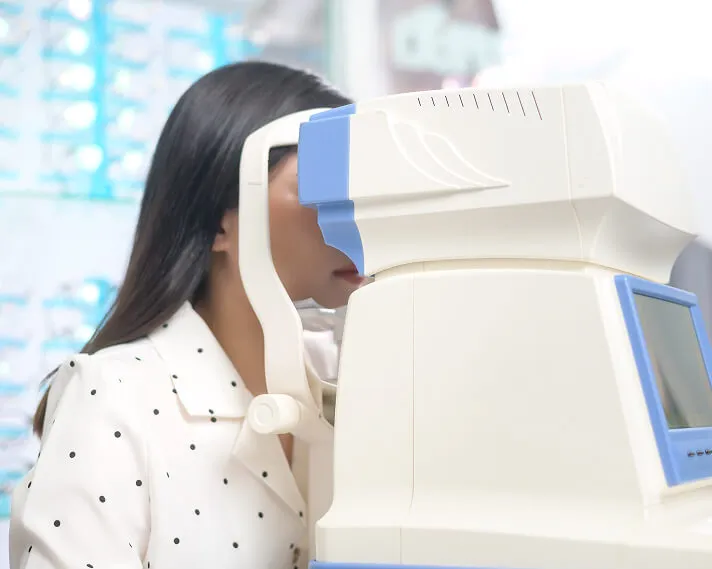
A careful approach to new visual symptoms.
Miami Eye Institute, under Dr. Inna Ozerov, provides expert evaluation of floaters and flashes — visual symptoms that range from completely benign to a sign of urgent retinal problems.
Floaters are tiny specks, threads, or cobwebs that drift through your vision, especially against a bright background. Flashes appear as brief streaks or arcs of light, often in your peripheral vision. Most are caused by harmless age-related changes in the vitreous gel inside the eye, but a sudden increase can signal a retinal tear or detachment.
Knowing the difference matters. Our team uses dilated retinal exams and advanced imaging to identify the exact cause and determine whether monitoring, reassurance, or urgent treatment is needed. Miami Eye Institute proudly serves patients in Hollywood, Florida, Miami, Florida, Fort Lauderdale, Pembroke Pines, Hallandale Beach, Aventura, Davie, Miramar, Cooper City, Weston, Plantation, and surrounding South Florida communities.
- Of adults experience noticeable floaters by age 60.
- 50%
- Ideal window for evaluating new flashes or sudden floaters.
- 24–72 hrs
- Of new floaters are due to benign vitreous changes.
- ~85%
- Urgent evaluations available for sudden symptoms.
- Same Day
OUR APPROACH
How we evaluate floaters and flashes.
Our process is built around safety and clarity — ruling out serious causes first, then explaining what’s really happening with your vision.
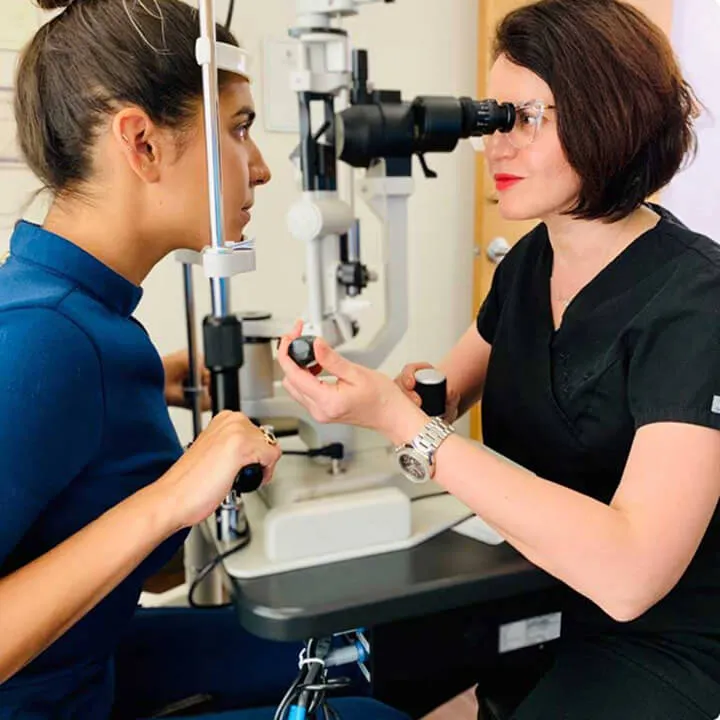
Detailed Symptom Review
We discuss when symptoms began, how they’ve changed, and any associated vision loss, shadows, or curtains.
Dilated Retinal Exam
A full dilated exam allows direct visualization of the vitreous, retina, and peripheral retina to detect tears, hemorrhages, or detachment.
Advanced Imaging
Optical coherence tomography (OCT) and other imaging tools confirm whether the retina and macula are healthy.
Clear Treatment Plan
Most benign cases need only education and follow-up. When a retinal tear or detachment is found, we coordinate immediate laser or surgical treatment.
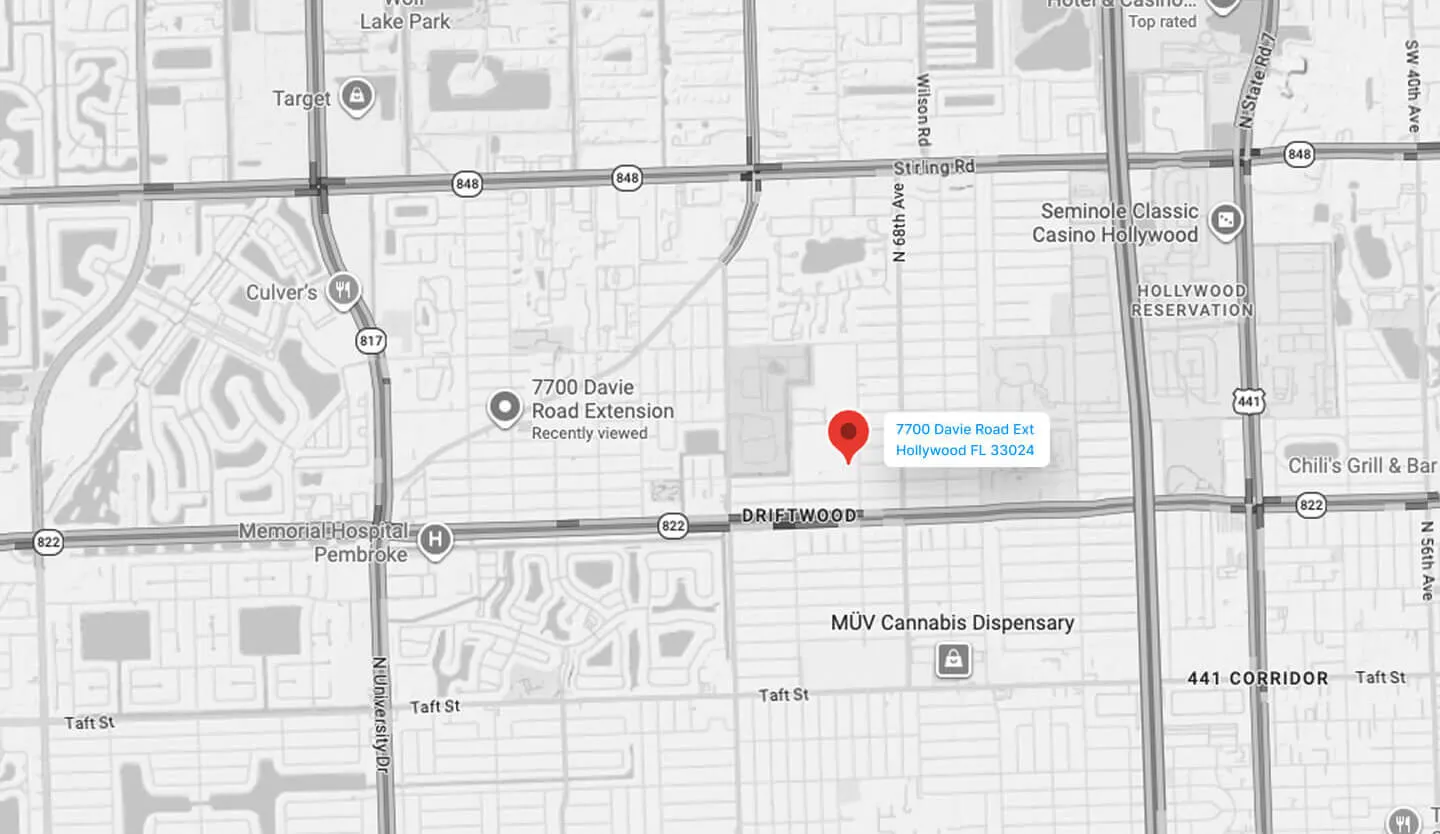
Schedule a Consultation with Dr. Inna Ozerov
Dr. Inna Ozerov is a board-certified ophthalmologist serving patients across Hollywood, Florida, Miami, Florida, and surrounding communities including Fort Lauderdale, Pembroke Pines, Hallandale Beach, Aventura, Davie, and Miramar. She specializes in evaluating floaters, flashes, posterior vitreous detachment, retinal tears, and other vision-changing symptoms, providing personalized, evidence-based care for every patient.
Contact Inna OzerovSCHEDULE YOUR VISIT
Don’t ignore new flashes or floaters.
If you suddenly see new floaters, flashes of light, or a shadow in your vision, have your eyes checked within 24 to 72 hours. Most new floaters are harmless, but a dilated exam is the only way to rule out a retinal tear.
- Urgent same-day evaluation when needed
- A clear diagnosis backed by dilated exam and imaging
- Honest guidance on whether monitoring or treatment is required
Schedule a Consultation
For more information or to schedule an appointment, fill out this form.
FREQUENTLY ASKED QUESTIONS
Common questions about floaters and flashes.
Floaters and flashes are common and usually harmless, but some need urgent attention. These answers explain how to tell the difference.
What are floaters?
What causes flashes of light?
Are floaters dangerous?
When are floaters and flashes an emergency?
Can floaters be treated?
Will floaters go away on their own?
When should I see a doctor?
Still have questions?
Dr. Inna Ozerov will personally evaluate your eyes and help you understand the best path forward for managing floaters, flashes, and sudden visual changes. Serving patients throughout Hollywood, Florida, Miami, Florida, and surrounding South Florida communities.