
Diabetic Retinopathy Care
Expert diagnosis, monitoring, and treatment to protect your vision from diabetes-related eye disease.
schedule appointmentTRUSTED CREDENTIALS
- Board-Certified Ophthalmologist
- Advanced Retinal Imaging
- Diabetic Eye Screening
- Personalized Treatment Plans
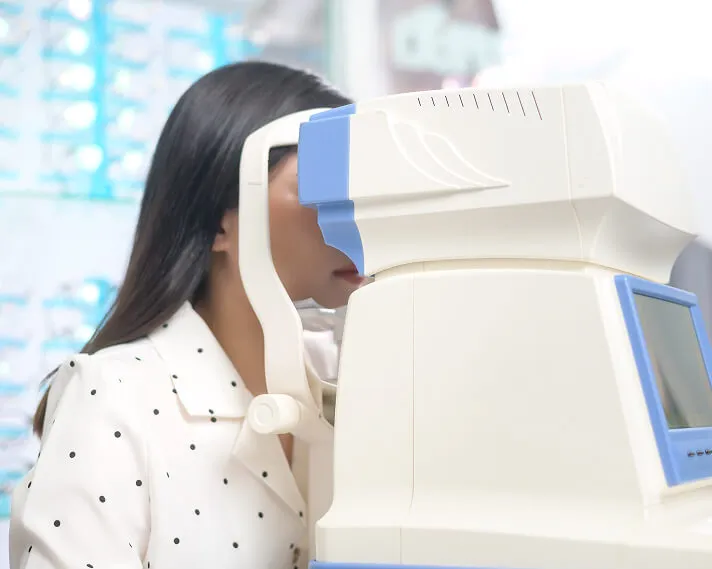
A proactive approach to diabetes-related eye disease.
Miami Eye Institute, under the care of Dr. Inna Ozerov, provides comprehensive diagnosis and management of diabetic retinopathy — a leading cause of preventable vision loss in adults.
Diabetic retinopathy occurs when high blood sugar damages the tiny blood vessels in the retina. Over time, these vessels may leak, swell, or close off entirely, leading to blurred vision, dark spots, and in advanced cases, severe vision loss.
Many people with early diabetic retinopathy have no symptoms at all, which is why routine dilated eye exams are essential for anyone with type 1 or type 2 diabetes. Our team uses advanced imaging to detect the disease early and treat it before it threatens your sight. Miami Eye Institute proudly serves patients in Hollywood, Florida, Miami, Florida, Fort Lauderdale, Pembroke Pines, Hallandale Beach, Aventura, Davie, Miramar, Cooper City, Weston, Plantation, and surrounding South Florida communities.
- Adults with diabetes show signs of retinopathy.
- 1 in 3
- Leading cause of blindness in working-age adults.
- #1
- Dilated exams recommended for all diabetic patients.
- Annual
- Of severe vision loss is preventable with early care.
- 95%
OUR APPROACH
How we detect and treat diabetic retinopathy.
Our process is built around early detection, careful monitoring, and timely treatment — the three pillars of preserving sight in diabetic patients.
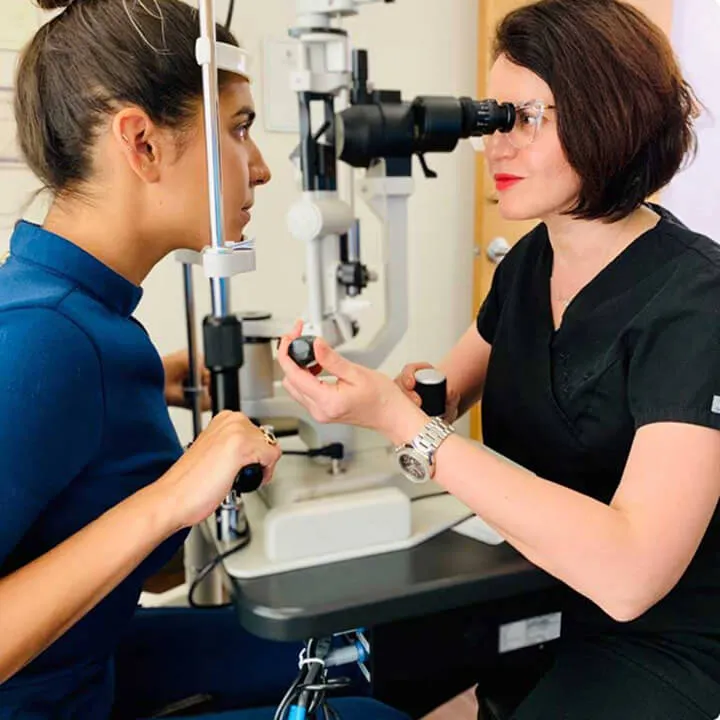
Comprehensive Diabetic Eye Exam
We perform a full dilated retinal exam to look for microaneurysms, hemorrhages, swelling, and abnormal blood vessel growth.
Advanced Imaging
Optical coherence tomography (OCT) and fundus photography help us detect retinal swelling and vessel changes that aren’t visible on a standard exam.
Targeted Treatment
Depending on severity, we may recommend tighter diabetes control, intravitreal injections, laser therapy, or coordinated retinal surgery referrals.
Long-Term Monitoring
Diabetic retinopathy requires ongoing follow-up. We work closely with your primary care doctor or endocrinologist to protect your vision over the long term.
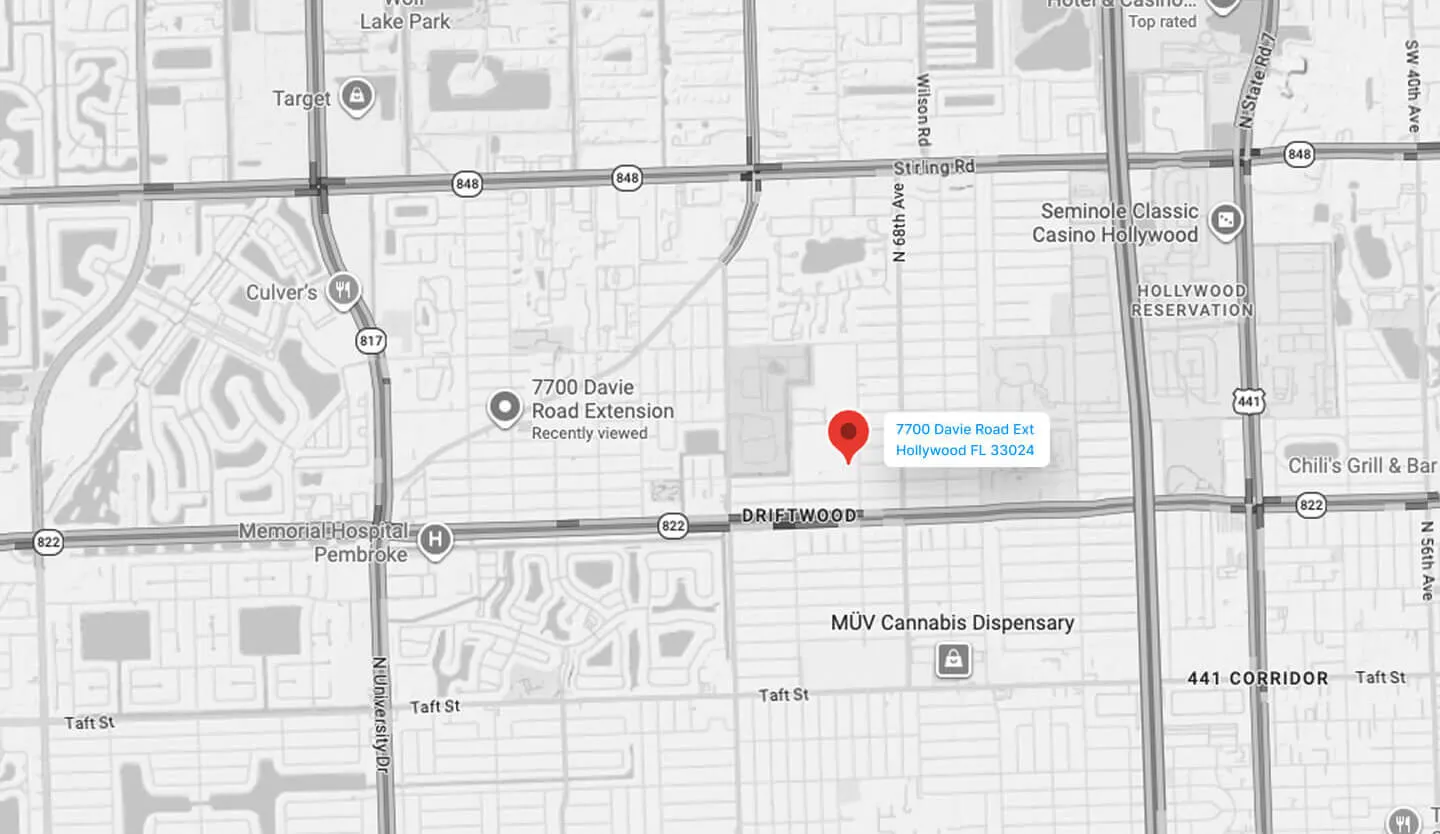
Schedule a Consultation with Dr. Inna Ozerov
Dr. Inna Ozerov is a board-certified ophthalmologist serving patients across Hollywood, Florida, Miami, Florida, and surrounding communities including Fort Lauderdale, Pembroke Pines, Hallandale Beach, Aventura, Davie, and Miramar. She specializes in diabetic eye disease, diabetic retinopathy screening, and the medical management of retinal vascular conditions, providing personalized, evidence-based care for every patient.
Contact Inna OzerovSCHEDULE YOUR VISIT
Protect your vision with proactive diabetic eye care.
If you have diabetes, a dilated eye exam every year is the most effective way to protect your sight, even when your vision seems fine. Early retinopathy often has no symptoms, and routine exams catch it before it does damage.
- Comprehensive diabetic eye exam with Dr. Ozerov
- Advanced retinal imaging to detect early changes
- A long-term monitoring plan coordinated with your care team
Schedule a Consultation
For more information or to schedule an appointment, fill out this form.
FREQUENTLY ASKED QUESTIONS
Common questions about diabetic retinopathy.
Diabetes affects the eyes in ways many patients don’t expect. These answers explain the risks, the warning signs, and how treatment works.
What is diabetic retinopathy?
What causes diabetic retinopathy?
What are the symptoms?
How is it diagnosed?
How is diabetic retinopathy treated?
Can diabetic retinopathy be prevented?
How often should I get my eyes checked?
Still have questions?
Dr. Inna Ozerov will personally evaluate your eyes and help you understand the best path forward for managing diabetic retinopathy and diabetes-related eye disease. Serving patients throughout Hollywood, Florida, Miami, Florida, and surrounding South Florida communities.