
Keratoconus Diagnosis & Care
Modern, sight-preserving care for keratoconus — from specialty contacts to collagen cross-linking and beyond.
schedule appointmentTRUSTED CREDENTIALS
- Board-Certified Ophthalmologist
- Corneal Topography Mapping
- Collagen Cross-Linking Specialist
- Specialty Contact Lens Solutions
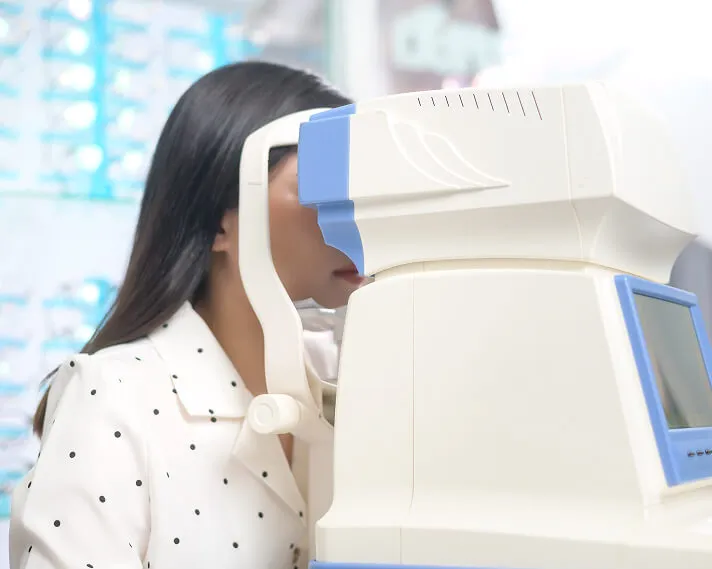
A sight-saving approach to progressive corneal disease.
Miami Eye Institute, led by Dr. Inna Ozerov, provides comprehensive diagnosis and management of keratoconus — a progressive disease in which the normally round cornea thins and bulges into a cone shape.
Keratoconus distorts the way light enters the eye, causing blurred and distorted vision, increasing nearsightedness, irregular astigmatism, glare, and sensitivity to light. It typically begins during the teenage years or early twenties and can progress for a decade or more.
Early detection is everything. With modern treatments like FDA-approved collagen cross-linking, we can often halt progression before significant vision loss occurs. For more advanced cases, specialty lenses and corneal transplant options can restore functional sight. Miami Eye Institute proudly serves patients in Hollywood, Florida, Miami, Florida, Fort Lauderdale, Pembroke Pines, Hallandale Beach, Aventura, Davie, Miramar, Cooper City, Weston, Plantation, and surrounding South Florida communities.
- Americans are affected by keratoconus.
- 1 in 2,000
- The age range when keratoconus most often begins.
- 10–25
- Collagen cross-linking can halt progression.
- FDA-Approved
- Specialty contact lenses can restore functional vision.
- Highly Effective
OUR APPROACH
How we diagnose and treat keratoconus.
Keratoconus is highly treatable when caught early. Our process is built around precise corneal mapping, progression tracking, and matching each patient to the right combination of therapies.
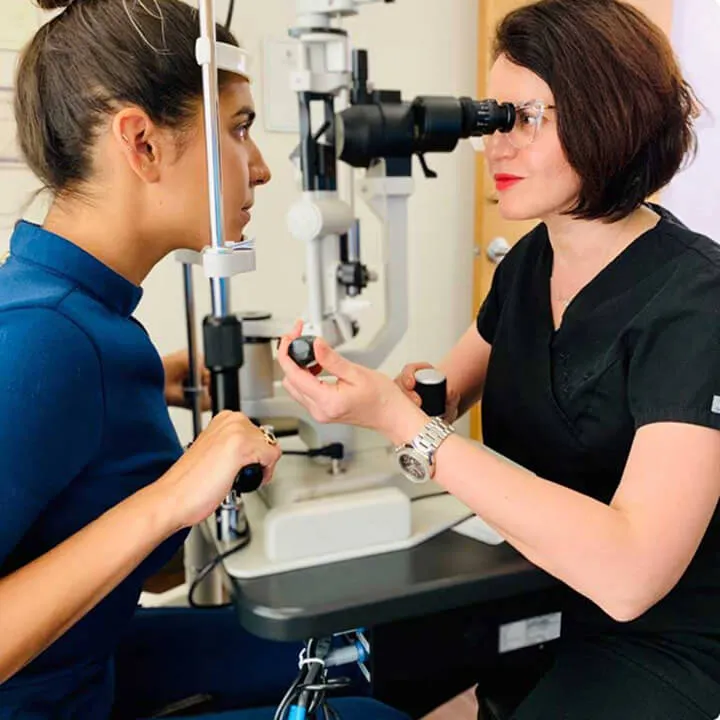
Comprehensive Corneal Topography
Detailed surface mapping of the cornea reveals the characteristic thinning and steepening of keratoconus — often long before symptoms become severe.
Progression Tracking
We compare topography and corneal thickness over time to determine whether your keratoconus is stable or actively progressing — a key factor in treatment timing.
Personalized Treatment Plan
Treatment may include collagen cross-linking to halt progression, specialty contact lenses (scleral, hybrid, or rigid gas permeable) for visual correction, or referral for corneal transplantation in severe cases.
Long-Term Care
Keratoconus is a lifelong condition. We provide ongoing monitoring and adjust your plan as your eyes change to keep your vision as functional as possible.
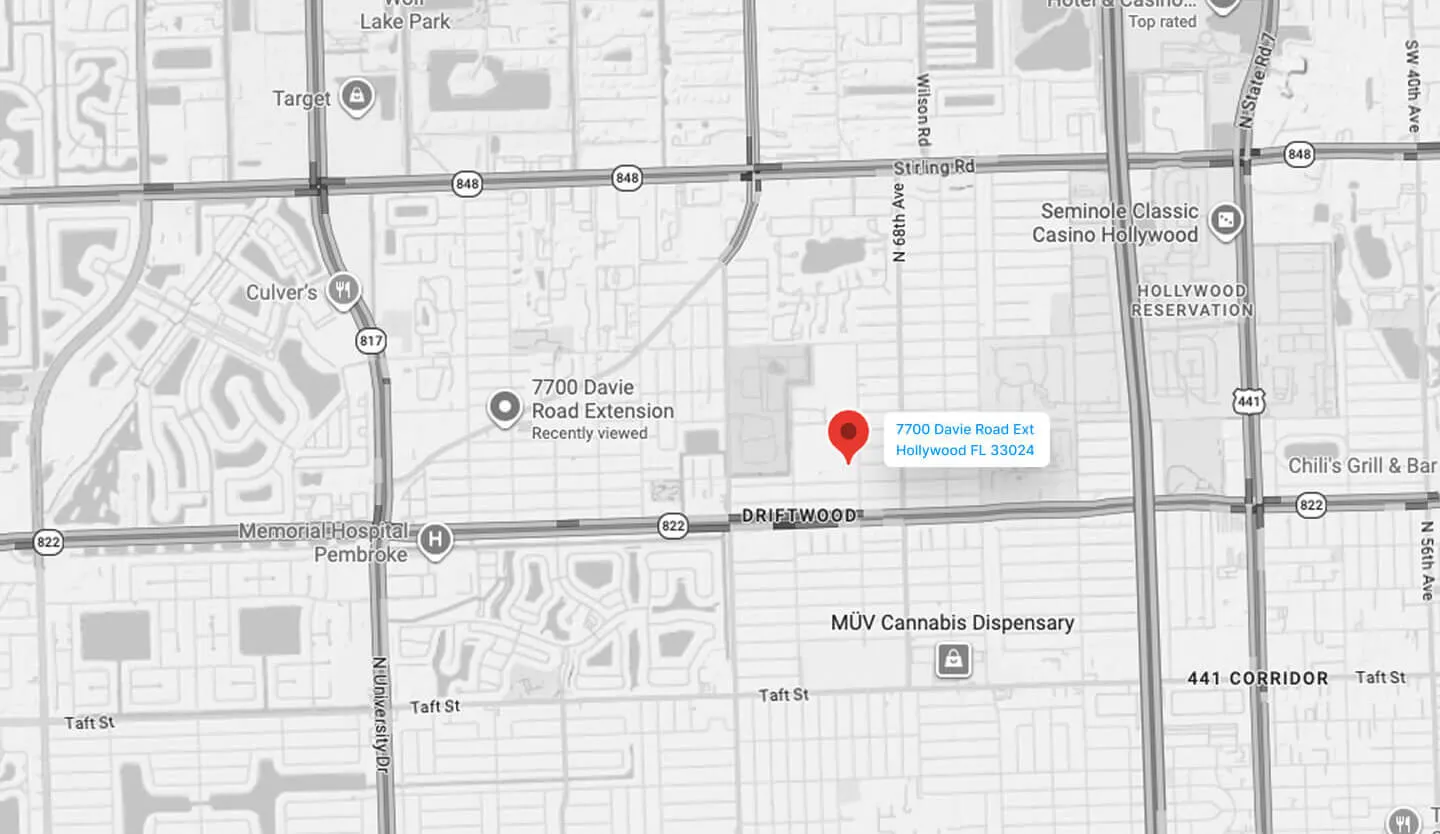
Schedule a Consultation with Dr. Inna Ozerov
Dr. Inna Ozerov is a board-certified ophthalmologist serving patients across Hollywood, Florida, Miami, Florida, and surrounding communities including Fort Lauderdale, Pembroke Pines, Hallandale Beach, Aventura, Davie, and Miramar. She specializes in keratoconus, corneal topography, collagen cross-linking, and the medical and surgical management of corneal ectatic disease, providing personalized, evidence-based care for every patient.
Contact Inna OzerovSCHEDULE YOUR VISIT
Find out if your keratoconus is progressing.
If your prescription keeps changing, your vision is blurry or distorted, or contact lenses have become uncomfortable, ask about corneal topography. Mapping your cornea over time shows whether keratoconus is progressing and whether cross-linking can help.
- Detailed corneal topography mapping with Dr. Ozerov
- A clear understanding of whether keratoconus is progressing
- A personalized treatment plan — cross-linking, lenses, or both
Schedule a Consultation
For more information or to schedule an appointment, fill out this form.
FREQUENTLY ASKED QUESTIONS
Common questions about keratoconus.
Keratoconus usually begins between the ages of 10 and 25, and patients and parents often have questions. Here are answers to the most common ones.
What is keratoconus?
What causes keratoconus?
What are the symptoms?
How is keratoconus diagnosed?
What is collagen cross-linking?
Can keratoconus be corrected with glasses or contacts?
Will I need a corneal transplant?
Still have questions?
Dr. Inna Ozerov will personally evaluate your eyes and help you understand the best path forward for keratoconus and progressive corneal disease. Serving patients throughout Hollywood, Florida, Miami, Florida, and surrounding South Florida communities.